How to Choose the Best Collar for Your Pet's Needs?

Time:2026-05-25 Author:Madeline
0%

Choosing the right collar for your pet is crucial. It affects their comfort, safety, and style. Dr. Lisa Harper, a renowned veterinary behaviorist, emphasizes, "A well-fitting collar can prevent injuries and enhance your pet's quality of life." Her insight highlights the importance of choosing a collar based on your pet’s specific needs.

How to pick a collar for different pets involves understanding various factors. Each pet has unique requirements, from their size and breed to their lifestyle. For example, active dogs might need a more durable collar made from sturdy materials. On the other hand, a delicate cat may require a lighter, softer collar that won’t irritate their skin.

Ignoring these details could lead to discomfort or injury. Many pet owners overlook the significance of a proper fit. A collar that is too tight can cause chafing. Conversely, one that is too loose can slip off easily. It's essential to consider these factors to ensure a collar enhances your pet's life. The right collar is more than a fashion statement; it’s about their safety and well-being.
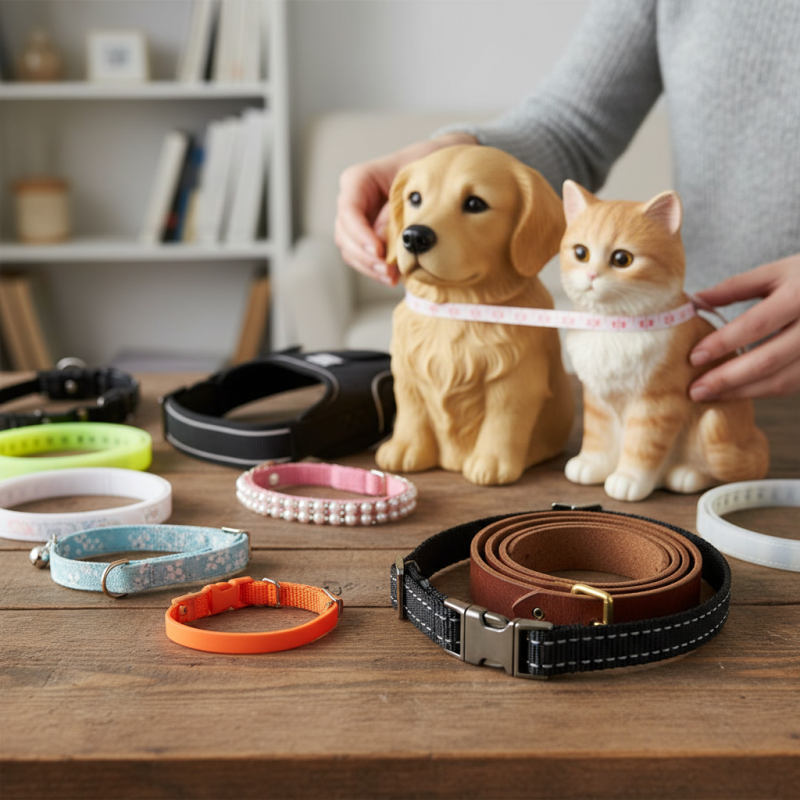
How to Choose the Best Collar for Your Pet's Needs?

Factors to Consider When Selecting a Collar for Your Pet

Choosing the right collar for your pet is crucial. With the variety available, it can be overwhelming to make a decision. Several factors should guide your choice to ensure safety and comfort.

The size of the collar is vital. A collar that is too tight can restrict movement. Conversely, a loose collar may slip off easily. Measure your pet's neck carefully before purchasing. Comfort is also key. Look for materials that are soft and non-irritating. Pets can be sensitive to rough fabrics, and discomfort may lead to behavioral issues.

Consider your pet’s activity level. An active dog may need a more durable collar that withstands wear. If your pet is prone to pulling, a sturdy buckle is essential. Reflective features are beneficial for nighttime visibility. Ultimately, your choice should reflect both functionality and your pet’s personality.

Types of Collars: Choosing Between Standard, Martingale, and Harness

When selecting a collar for your pet, it's essential to understand the different types available. The standard collar is the most common choice. It’s versatile, made from a variety of materials, and easy to use. However, it might not be ideal for every dog, especially those prone to pulling. You may find that with little force, your dog can slip out or choke.

Martingale collars offer better control, making them a great option for training. They prevent the dog from slipping out without risking injury. However, they can be tricky if you don't fit them correctly. A martingale collar tightens when the dog pulls, which can be discomforting for some pets. Observing how your dog reacts to it is crucial.

Harnesses are another alternative. They distribute pressure across the dog’s body and prevent strain on the neck. This can be beneficial for brachycephalic breeds. Yet, some dogs might feel limited in a harness. It's vital to consider your pet's comfort and behavior before making a choice. Finding the right collar or harness might require trying different styles. Each pet is unique, and what works for one may not work for another.

Material Options: Nylon, Leather, or Biothane for Durability and Comfort

Choosing the right collar for your pet involves understanding the materials available. Nylon, leather, and Biothane each offer unique benefits. Nylon is lightweight and waterproof, making it suitable for active pets. Reports indicate that 60% of pet owners prefer nylon for its vibrant colors and designs. However, it may wear out faster than other options.

Leather collars are known for their durability and classic appeal. A study reveals that leather can last up to 10 years with proper care. However, they often require regular conditioning to prevent cracking. Consider your pet's comfort, as leather can feel stiff initially.

Biothane collars are a newer option, offering the durability of leather with easy maintenance like nylon. They resist mold and mildew, making them ideal for wet climates. If your pet loves water activities, Biothane might be the choice for you.

Tips: Choose a collar based on your pet's lifestyle. For adventurous pets, nylon or Biothane may be best. Leather is great for formal occasions. Check the fit regularly; collars that are too tight can cause discomfort. Always consider your pet’s personality, as they may have their own preferences.

How to Choose the Best Collar for Your Pet's Needs?

Material Durability Comfort Water Resistance Price Range
Nylon Moderate High Yes $10 - $30
Leather High Moderate No $25 - $100
Biothane Very High High Yes $20 - $60

Proper Sizing: Measuring Your Pet for a Perfect Fit

Choosing the right collar for your pet begins with proper sizing. Accurate measurements ensure comfort and prevent any injury. To measure your pet correctly, use a flexible tape. Wrap it gently around the neck at the base. You should be able to fit two fingers between the collar and your pet’s neck for a secure yet comfortable fit.

Understanding your pet's breed and size is crucial. Larger breeds may require wider collars for better support. Smaller dogs, on the other hand, benefit from lightweight designs to avoid discomfort. Take the time to check frequently as your pet grows or gains weight. Collars that are too tight can irritate the skin, leading to unnecessary pain.

When selecting a collar, consider materials as well. Some pets may be sensitive to certain fabrics. Look for options that are durable yet soft, reducing the chance of chafing. Also, think about your daily activities. A collar that works for walks may not suit playtime. Reflect on your pet's lifestyle to make an informed choice.

How to Choose the Best Collar for Your Pet's Needs

This chart illustrates the recommended collar sizes for different types of pets. Measuring your pet properly ensures a perfect fit and enhances their comfort.

Safety Features: Breakaway and Reflective Collars for Enhanced Protection

When selecting a collar for your pet, safety features are paramount. Breakaway collars are designed to prevent choking incidents. Research suggests that these collars release when a pet becomes snagged. A study conducted by the American Society for the Prevention of Cruelty to Animals (ASPCA) showed that over 10% of pet accidents are due to collar-related issues. Choosing a breakaway collar can substantially reduce this risk.

Reflective collars offer enhanced visibility, especially during nighttime walks. According to the National Highway Traffic Safety Administration (NHTSA), visibility can significantly lower the likelihood of accidents. A reflective collar ensures that your pet remains visible to drivers, increasing safety in low-light conditions. Visibility increases by up to 75% with the right reflective gear. Pets can often surprise us with their unpredictable behaviors; ensuring they are seen can save lives.

It's important to remember that no collar is entirely foolproof. Regular checks for wear and tear can help maintain functionality. Consider your pet’s lifestyle and habits when making your choice. Each collar has its limitations, and understanding them can make all the difference in protecting your furry friend.

FAQS

: How should I measure my pet for a collar?

: Use a flexible tape. Wrap it around the neck at the base. Ensure two fingers fit between collar and neck.

Why is it important to choose the right collar size?

Proper sizing ensures comfort and prevents injury. Collars that are too tight can irritate your pet’s skin.

What materials should I look for in a collar?

Look for durable yet soft materials. Avoid fabrics that may irritate your pet’s sensitive skin.

Are there safety features I should consider when choosing a collar?

Yes, look for breakaway collars to prevent choking. Reflective collars enhance visibility during nighttime walks.

How do reflective collars improve safety?

They increase visibility by up to 75%. This reduces the likelihood of accidents during low-light conditions.

What should I consider regarding my pet's lifestyle when choosing a collar?

Reflect on daily activities. A collar that fits walks may not be suitable for playtime or other activities.

How often should I check my pet's collar?

Regular checks for wear and tear are important. Maintain functionality to ensure your pet's safety.

Can a collar cause injury to my pet?

Yes, collars that are too tight may irritate skin. Always prioritize comfort to reduce unnecessary pain.

What if my pet outgrows their collar?

Check frequently as your pet grows or gains weight. Update the collar size to ensure ongoing comfort.

Is any collar completely foolproof for safety?

No collar is perfect. Understanding limitations and regular inspections can help protect your pet better.

Conclusion

When considering how to pick a collar for different pets, it's essential to evaluate several key factors. These include the specific needs of your pet based on their size, behavior, and activity level. Understanding the different types of collars—such as standard, martingale, and harness—can help you select the most suitable option for training and control. Additionally, the choice of materials, from nylon to leather or biothane, impacts both durability and comfort, ensuring your pet's collar is both long-lasting and enjoyable to wear.

Proper sizing is critical, and accurately measuring your pet will ensure a perfect fit to prevent discomfort or escape. Lastly, safety features like breakaway mechanisms and reflective elements are vital for enhancing protection during walks or outdoor activities. By considering these factors, you can confidently choose the best collar tailored to your pet’s unique needs.

Madeline

Madeline

Madeline is a dedicated marketing professional with a wealth of expertise in our company's core offerings. With a keen understanding of the industry, she brings a unique perspective to her role, consistently delivering high-quality content that highlights the superior aspects of our products. As......